


If you’ve spent any amount of time reading about SEO lately, you’ve probably come across the term E-E-A-T.
For many small website owners, bloggers, and niche publishers, the concept can feel discouraging at first. After all, how are you supposed to compete with giant companies that have dedicated content teams, thousands of backlinks, and years of brand recognition?
It’s a fair question.
When Google talks about Experience, Expertise, Authoritativeness, and Trustworthiness, it can sound like the rules were written for major publishers with unlimited resources. But after watching countless small websites gain traction over the years, I’ve come to a different conclusion.
E-E-A-T is not designed to make small websites fail.
In many cases, it’s actually one of the few advantages smaller publishers still have.
The challenge is that most website owners misunderstand what E-E-A-T really means. They assume authority is something only large brands can build. The reality is that authority often starts with experience, and experience is something no big corporation can automatically buy.
Why Small Websites Feel Disadvantaged
Let’s be honest.
If someone searches for a highly competitive keyword, there’s a good chance they’ll see results from household names. Large media companies, software providers, and industry leaders dominate many search results because they already have established trust signals.
A new blogger looking at those results can easily think:
“There’s no way I can compete with that.“
The problem with this mindset is that it focuses entirely on brand size while ignoring content quality.
Google’s goal has never been to reward the biggest company. Its goal is to reward the page that best helps the searcher.
Sometimes that page belongs to a global brand.
Sometimes it belongs to a one-person website sharing genuine first-hand experience.
The difference often comes down to how effectively that experience is communicated.
The First E Matters More Than Many People Realize
When Google expanded E-A-T to E-E-A-T, it added an important word:
Experience.
That single addition changed how many content creators should approach SEO.
Think about the difference between these two articles:
- An article explaining how to start a vegetable garden based on research
- An article written by someone who has been growing vegetables in their backyard for five years
Both articles may contain accurate information.
However, the second article has something the first one doesn’t.
Real-world experience.
The writer can discuss mistakes, unexpected challenges, personal results, and lessons learned along the way.
Those details are difficult to fake and difficult for AI-generated content to replicate convincingly.
For small websites, this creates a major opportunity.
You may not have a famous brand, but you probably have experiences that larger publishers don’t.
Stop Trying to Sound Like Wikipedia
One mistake many bloggers make is trying to sound overly professional.
They remove personality.
They remove opinions.
They remove stories.
Eventually, every article starts sounding like an encyclopedia entry.
Ironically, that approach often makes content less valuable.
Readers don’t just want information anymore. They want context.
They want to know:
- What worked?
- What failed?
- What would you do differently?
- What surprised you?
These details transform generic content into something memorable.
I’ve seen small websites outrank larger competitors simply because they shared practical experiences that readers couldn’t find elsewhere.
That doesn’t mean every article should become a personal diary.
It means your experience should support your information.
Building Expertise Without Industry Fame
Many website owners assume expertise means having a PhD, a bestselling book, or national recognition.
That’s not always true.
Expertise can be demonstrated in many ways.
For example:
- Years working in a specific industry
- Hands-on experience with a product
- Consistent research and reporting
- Original case studies
- Published data and observations
If you’ve spent years helping clients, testing software, renovating homes, repairing vehicles, or managing investments, you’ve accumulated expertise that readers may find valuable.
The key is making that expertise visible.
Don’t assume readers know your background.
Tell them.
Create detailed author profiles.
Explain relevant experience.
Show why you’re qualified to discuss the topic.
Many small websites overlook this simple step.
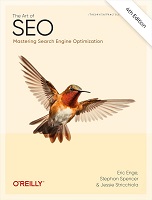
Recommended SEO Resource
The Art of SEO: Mastering Search Engine Optimization
by Eric Enge, Stephan Spencer, and Jessie Stricchiola
A practical SEO reference for bloggers, small business owners, and digital marketers who want to understand search strategy, Google updates, SEO tools, and how generative AI can support long-term content growth.
Check Price on AmazonAs an Amazon Associate, we may earn from qualifying purchases.
Trust Signals Matter More Than Fancy SEO Tricks
There was a time when SEO conversations focused heavily on shortcuts.
People looked for loopholes.
They chased ranking hacks.
Today’s search environment is different.
Trust has become increasingly important.
Visitors want reassurance that they’re reading reliable information.
Some of the simplest trust signals include:
Clear Author Information
Readers should know who created the content.
Anonymous websites often struggle to build credibility.
Transparent Contact Details
A legitimate website shouldn’t feel hidden.
Providing contact information helps establish trust.
Accurate Citations
When making factual claims, cite reputable sources.
Supporting evidence strengthens credibility.
Updated Content
Information changes.
Regularly reviewing and updating articles demonstrates ongoing commitment to quality.
One of the simplest ways to strengthen E-E-A-T is by revisiting content you’ve already published. Outdated statistics, broken references, and old recommendations can quietly erode trust, even if the article once performed well. Regular updates signal that you’re actively maintaining your website and care about providing accurate information.
If you’re unsure where to start, our guide on updating old blog posts for SEO explains a practical process for refreshing existing content without starting from scratch.
Honest Recommendations
Readers can usually tell when an article exists solely to push an affiliate product.
Balanced reviews often earn more trust than overly promotional content.
None of these strategies are complicated.
Yet together they can significantly improve how users perceive your website.
Can You Build Authority Without Thousands of Backlinks?
This is one of the most common questions in SEO.
The honest answer is yes, but there are limits.
Backlinks still matter.
They remain an important signal of authority.
However, many small websites become obsessed with link building while neglecting content quality.
Authority doesn’t begin with backlinks.
Authority begins with publishing content worth linking to.
The websites that attract links naturally tend to offer one or more of the following:
- Original research
- Unique experiences
- Industry insights
- Useful tools
- Detailed tutorials
- Strong opinions backed by evidence
When your content consistently provides value, earning links becomes easier.
It isn’t easy.
It also isn’t impossible.
In my view, this is where many small publishers lose patience. They expect authority to appear within a few months. In reality, authority is often built article by article, year after year.
Why Topical Authority Gives Small Sites a Chance
One advantage small websites have is focus.
Large publishers often cover dozens of categories.
Smaller websites can go deeper.
Imagine two websites:
Website A publishes articles about business, health, travel, technology, finance, and entertainment.
Website B publishes 100 highly detailed articles about freelance graphic design.
Which site is more likely to become known as a trusted resource for freelance graphic design?
Usually Website B.
This is the foundation of topical authority.
Instead of trying to cover everything, focus on becoming exceptionally useful within a specific niche.
Over time, Google begins associating your site with that topic.
Readers do too.
Real Experience Beats Generic AI Content
The rise of AI has flooded the internet with content.
Unfortunately, much of it looks remarkably similar.
Many articles repeat information that already exists elsewhere.
They summarize.
They rephrase.
They recycle.
What they often lack is genuine experience.
A small website owner who shares original observations can stand out in ways AI-generated content cannot.
For example:
- Test results
- Before-and-after outcomes
- Personal case studies
- Customer experiences
- Real-world examples
These elements create content that feels authentic.
Authenticity is becoming increasingly valuable in a world where generic information is everywhere.
What Small Website Owners Should Focus on First
If you’re feeling overwhelmed by E-E-A-T, simplify the process.
Start with these priorities:
Publish Content Based on Experience
Write about topics you genuinely know.
Improve Author Transparency
Make it clear who is behind the content.
Build Topic Depth
Create clusters of related content rather than isolated articles.
Update Existing Posts
Improving old content is often easier than constantly creating new content.
Prioritize Reader Value
Ask yourself one question before publishing:
“Does this article provide something useful that readers can’t easily find elsewhere?”
If the answer is yes, you’re moving in the right direction.
The Reality of Competing With Bigger Brands
Let’s end with an uncomfortable truth.
Competing against large brands is difficult.
Anyone claiming otherwise is oversimplifying SEO.
Big companies have resources, recognition, and marketing budgets that most small publishers can only dream about.
However, they also have limitations.
They often struggle to create truly personal content.
They frequently publish at scale.
They can become generic.
Small websites have the ability to be more focused, more authentic, and more connected to their audience.
That advantage shouldn’t be underestimated.
E-E-A-T is not a shortcut to rankings.
It’s not a magic formula.
It’s a long-term approach to building credibility.
The good news is that credibility doesn’t belong exclusively to big brands.
It belongs to the websites that consistently demonstrate real experience, genuine expertise, and a commitment to helping their readers.
That takes time.
It takes effort.
And for small website owners willing to stay consistent, it’s absolutely possible.
